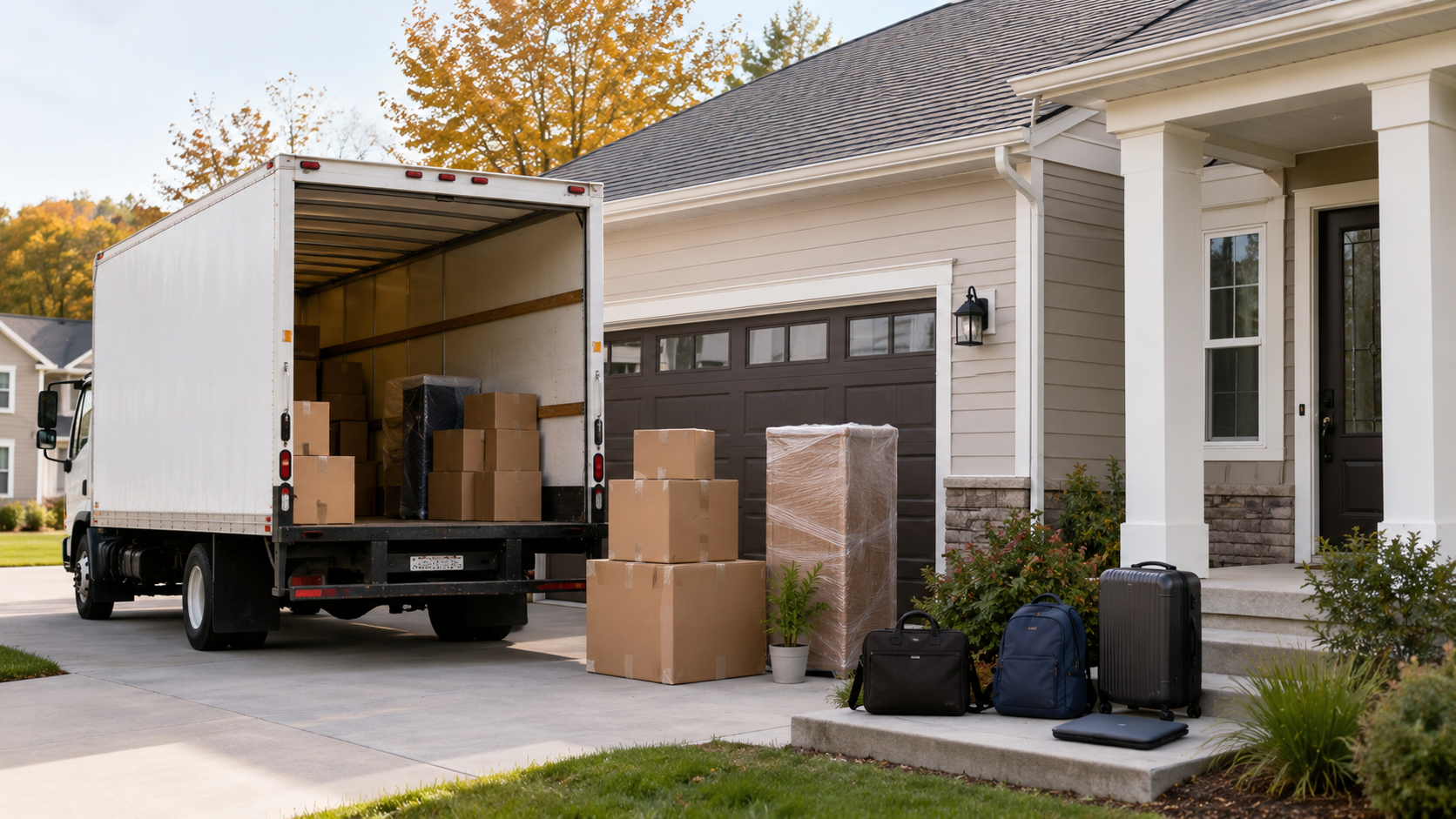
Local vs Long-Distance Moving: Key Differences You Need to Know
Choosing between local moving and long-distance moving is not just about mileage. The distance affects planning, pricing, packing, scheduling, logistics, and the level of coordination needed to move your belongings safely. A move across town may feel simple, while a move across state lines can involve more timing, documentation, and preparation.
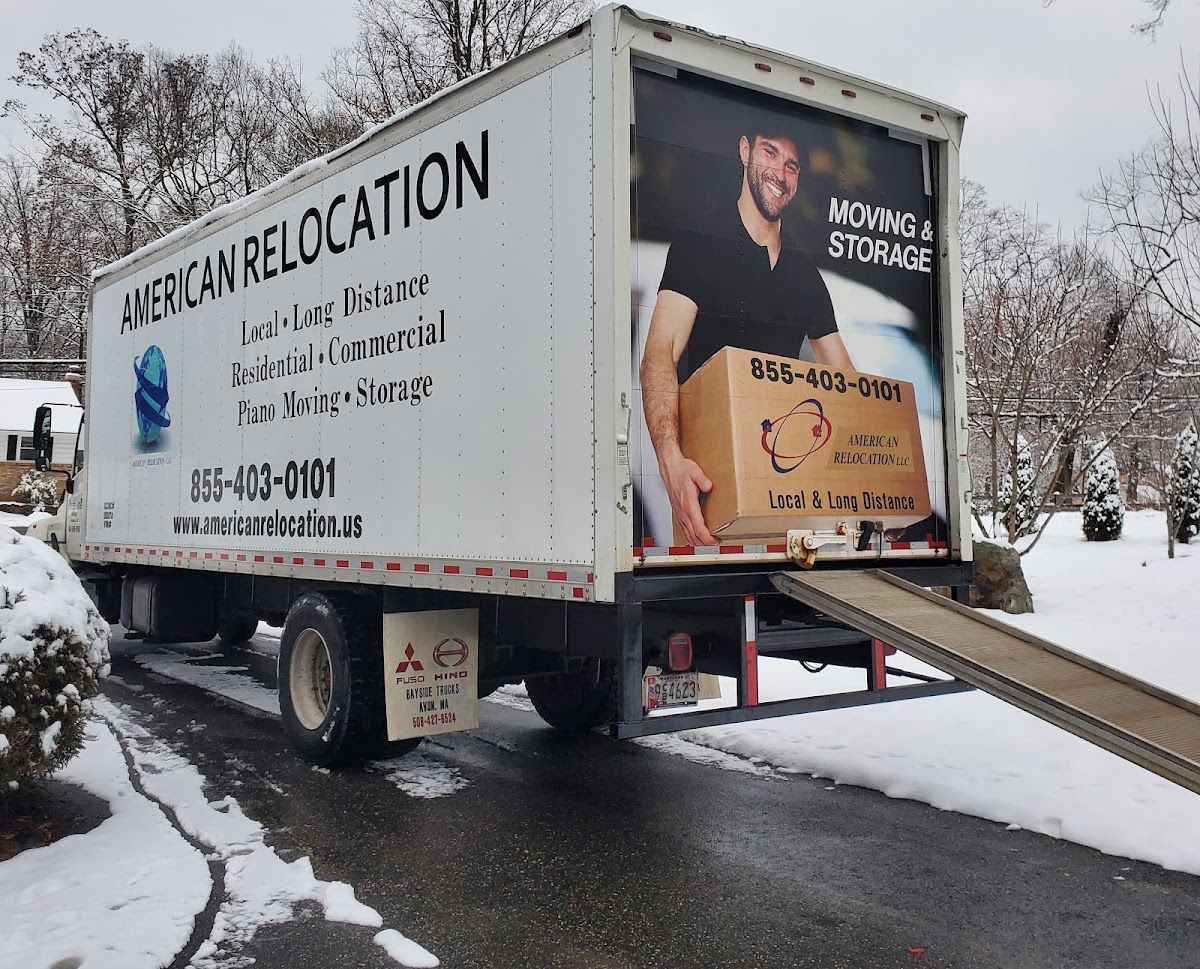
American Relocation helps customers understand these differences before moving day, so they can plan with fewer surprises. Whether you are moving to a nearby neighborhood or preparing for a larger relocation, knowing what changes between each move type helps you choose the right service and budget with more confidence.
What Changes With Long-Distance Moving?
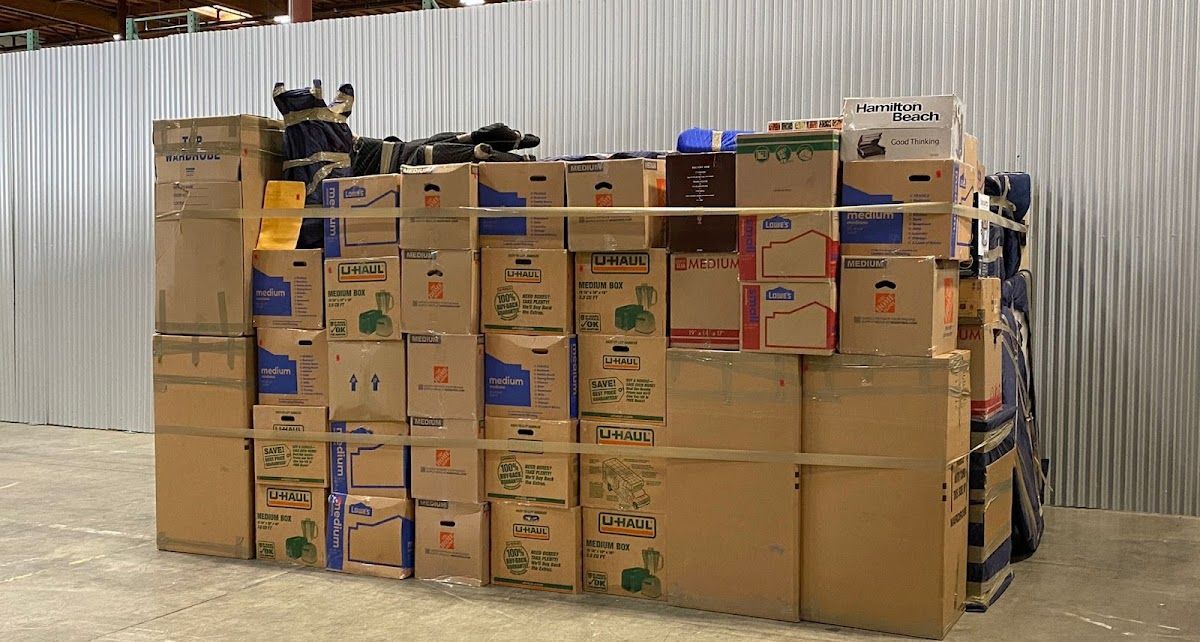
Long-distance moving requires more coordination because the move covers a larger area and may involve state-to-state transportation. Timing becomes more important, and packing usually needs to be stronger because items stay loaded longer.
With long-distance moves, the moving team must consider route planning, delivery windows, inventory, fuel, labor, and safe transport. The farther the distance, the more important it becomes to prepare early.
Imagine a family moving from one state to another for a new job. They are not only packing boxes. They are coordinating school records, utilities, closing dates, travel plans, and delivery timing. In this situation, American Relocation becomes more than a moving crew. The company becomes a logistics partner helping the family move through a major transition.
For customers preparing for a larger relocation, learn more about planning options here.
Local vs Interstate Movers: Service Expectations
The biggest difference between local vs interstate movers is the level of regulation, planning, and transportation involved. Local moves are often priced by time, crew size, and equipment. Interstate moves may include distance, shipment weight or volume, route details, and delivery schedule.
Here is a simple moving services comparison:
| Moving Factor | Local Move | Long-Distance Move |
|---|---|---|
| Distance | Nearby area | Farther route or state-to-state |
| Timing | Often same-day | May require delivery window |
| Pricing | Usually labor and time based | Often distance and shipment based |
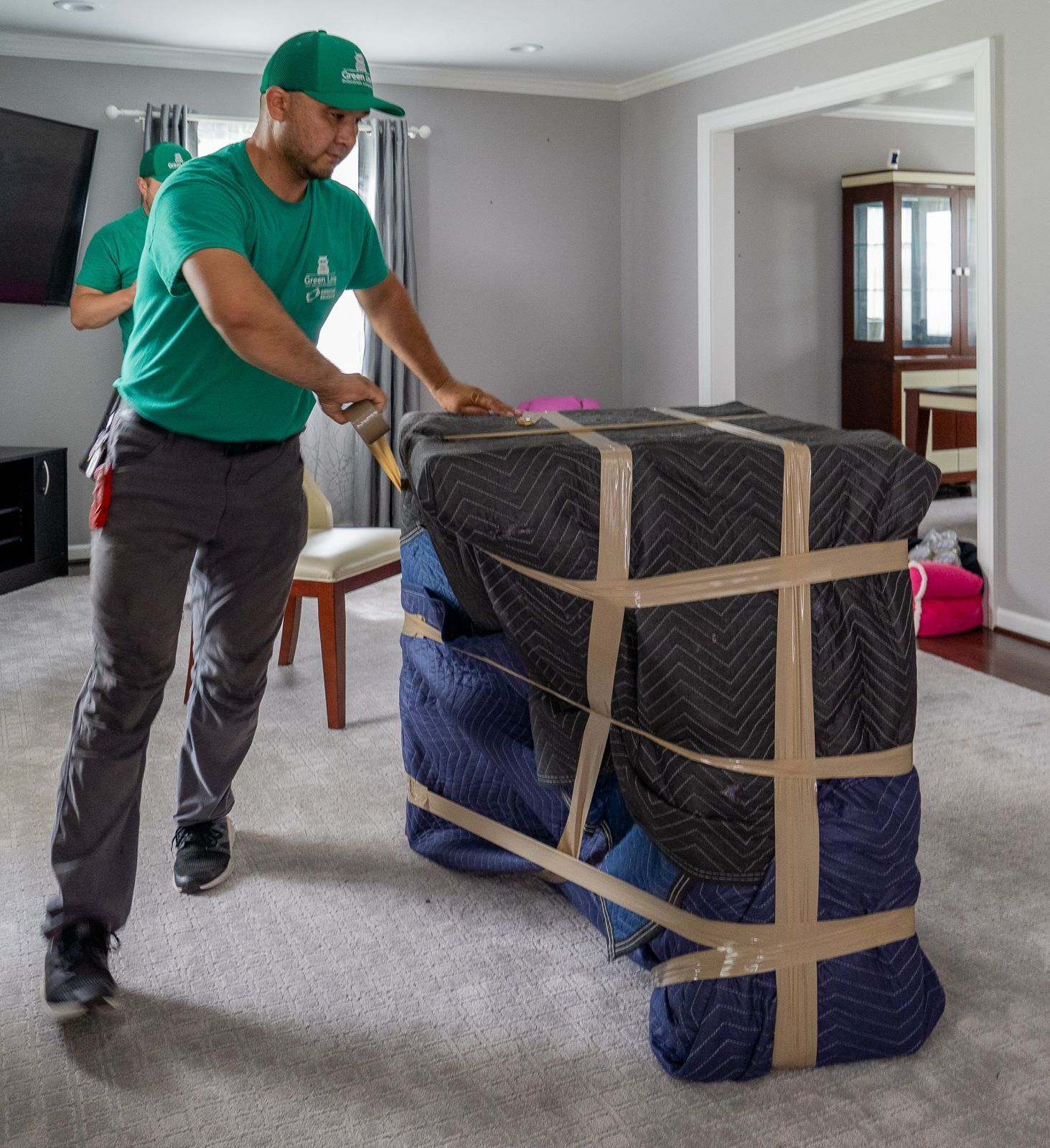
| Packing | Helpful but flexible | More important for protection |
| Planning | Shorter timeline | Earlier preparation recommended |
Both types of moves benefit from professional help, but long-distance relocation usually requires more detailed coordination.
How Moving Distance Affects Cost
Moving distance cost depends on more than miles. Home size, number of items, packing needs, stairs, elevators, storage, specialty items, and access conditions can all affect the final estimate.
A local move may cost less because the truck spends less time on the road. A long-distance move usually requires more planning, transportation time, and careful loading. Specialty items such as pianos, antiques, oversized furniture, or fragile pieces may also change the estimate.
American Relocation helps customers understand what goes into the quote, so they are not comparing prices without context. A cheaper estimate may not include packing materials, proper handling, or realistic timing.
If you are comparing moving options, request a clear estimate from American Relocation.
How to Choose the Right Moving Service
The right moving service depends on where you are going, how much you need moved, and how much support you want during the process. A small apartment move across town may need a different plan than a full household relocation across state lines.
Before choosing, ask yourself:
- How far am I moving?
- Do I need packing help?
- Are there fragile or heavy items?
- Is storage needed before delivery?
- How flexible is my moving date?
American Relocation can help customers match the service to the situation, instead of forcing every move into the same process.
If you are planning a nearby move,
start with professional local moving support from American Relocation.
FAQs About Local and Long-Distance Moving
What is the main difference between local moving and long-distance moving?
The main difference is the distance and level of planning required. Local moves are usually shorter and more flexible, while long-distance moves require more coordination, packing protection, and delivery planning.
Is long-distance moving more expensive than local moving?
In most cases, yes. Long-distance moving usually costs more because it involves greater travel time, route planning, fuel, labor, and delivery coordination.
How early should I schedule movers?
For local moves, scheduling a few weeks ahead is helpful. For long-distance moves, it is better to plan earlier so there is time to organize packing, timing, estimates, and delivery details.