End-of-Summer Lease Moves: How Local Movers Help Keep the Day Organized
End-of-Summer Lease Moves: How Local Movers Help Keep the Day Organized
Local movers can make an end-of-summer lease move feel much more manageable, especially in the Baltimore region where apartment buildings, rowhomes, shared parking, elevators, stairwells, and move-out deadlines can all affect the day. A lease move is not always complicated because of distance. It is often complicated because everything has to happen within a tight window.
For renters, students, families, and professionals moving at the end of summer, timing matters. One lease may end before the new apartment is fully ready. A building may only allow moves during certain hours. Parking near the entrance may be limited. Boxes may be packed, but not labeled well enough for a fast unload. That is where an organized local moving company can help keep the move on track.
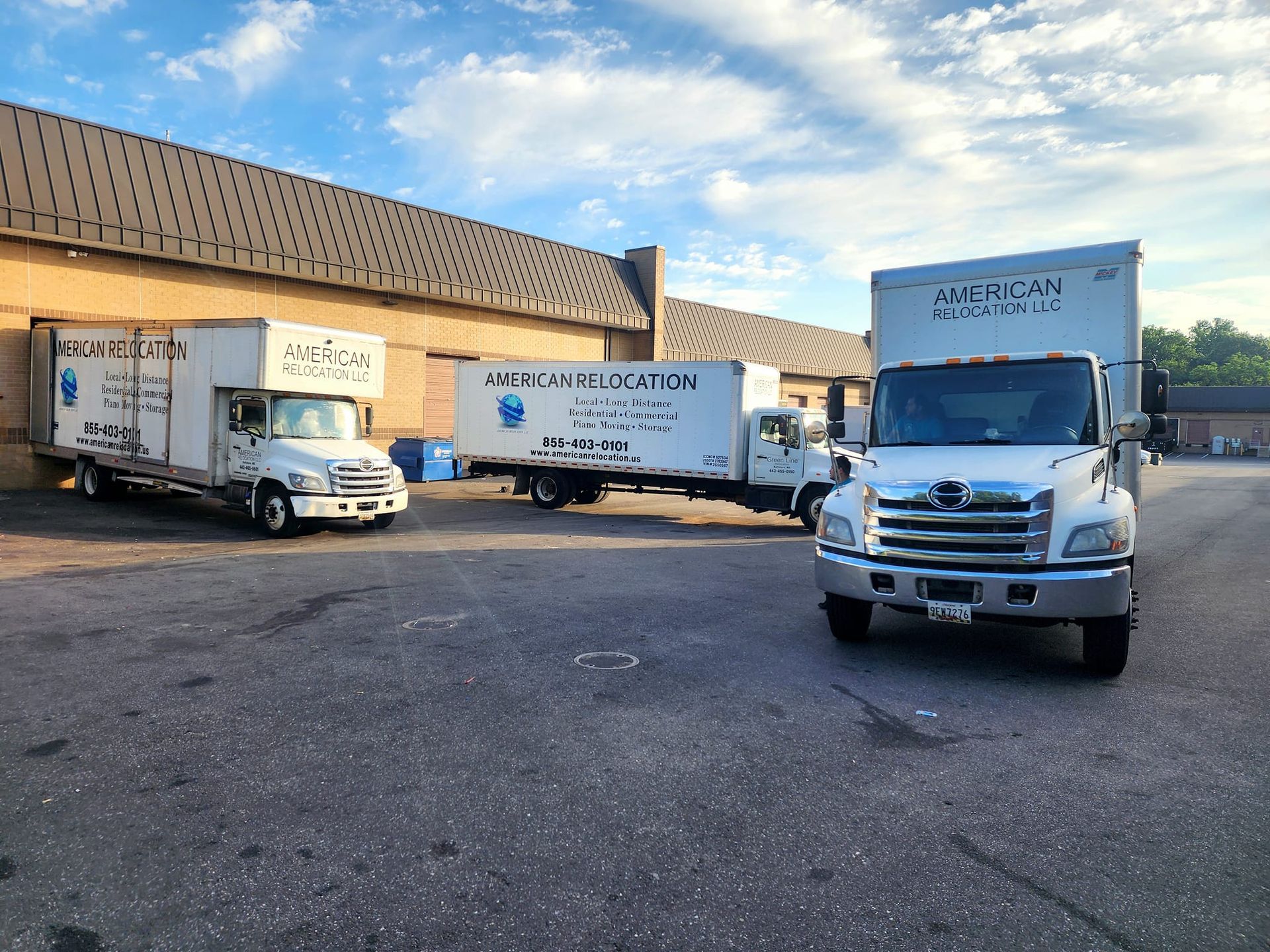
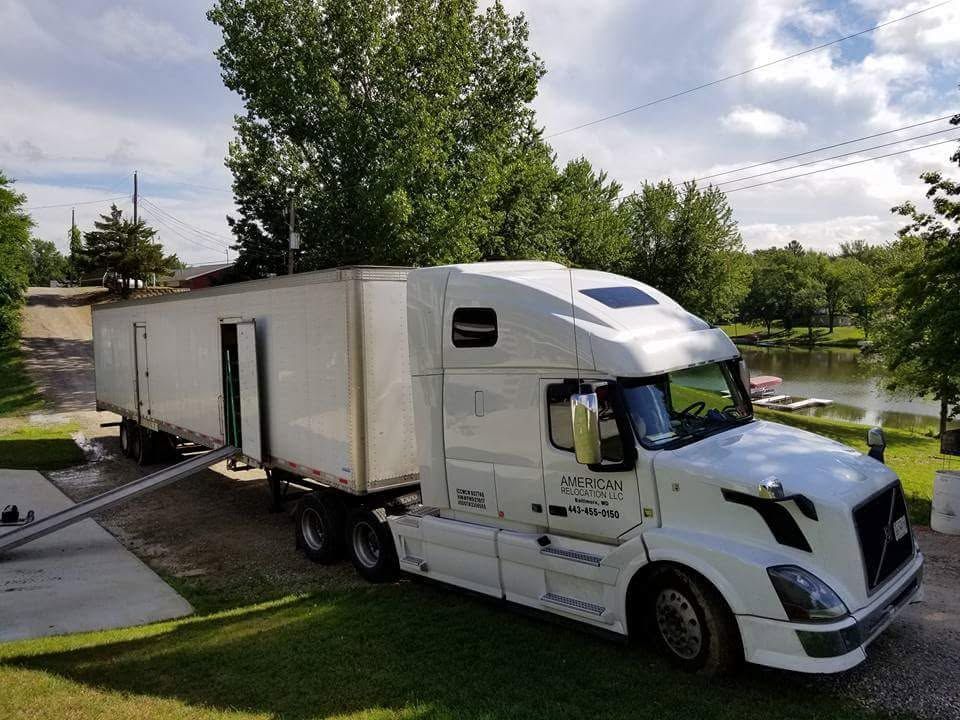
American Relocation supports Baltimore-region moves with planning, residential movers, packing services, and careful coordination. Renters preparing for a local apartment or lease transition can review Local Moving while planning access, timing, and move-day details.
End-of-Summer Lease Moves Need More Coordination Than People Expect
Late summer is a busy time for lease changes. Apartments turn over, students move, families relocate before school routines settle in, and professionals try to finish a move before fall schedules become busier. Even when the new address is nearby, the move can still feel rushed if the details are not planned early.
The challenge is that renters often have less flexibility than homeowners. A lease may require the apartment to be empty by a specific date. A landlord or building manager may schedule inspections. The new building may require elevator reservations or proof of mover information before move-in. If any of those steps are missed, the moving day can become stressful quickly.
A common question renters ask is: do local movers really need to know building rules before moving day? Yes. Rules about elevators, loading areas, certificates, parking, or move-in hours can affect the crew size, timing, and estimate. Sharing those details early helps the moving company plan the day more accurately.
Access Details Can Change the Moving Plan
Apartment and rental moves often come down to access. The front door may be close to the street, or it may be several hallways away from the loading area. The apartment may have an elevator, or it may involve stairs with tight turns. Some Baltimore-area buildings have loading zones, while others require movers to work around street parking.
Before the estimate is finalized, renters should explain where the movers can park, whether the building has a service entrance, how far the unit is from the truck, and whether stairs or elevators are involved. These details help the moving company understand the real scope of the move, not just the number of rooms.
If the move involves a full apartment or household transition, Residential Moving can help renters think beyond transportation and consider how furniture, boxes, fragile items, and unloading should be handled from start to finish.
Elevators, Stairs, and Building Rules Should Be Confirmed Early
Elevators can make a move easier, but only when they are available at the right time. Some buildings require elevator reservations, padding, loading dock approval, or move-in time windows. If the elevator is shared with other tenants or deliveries, the move may take longer than expected.
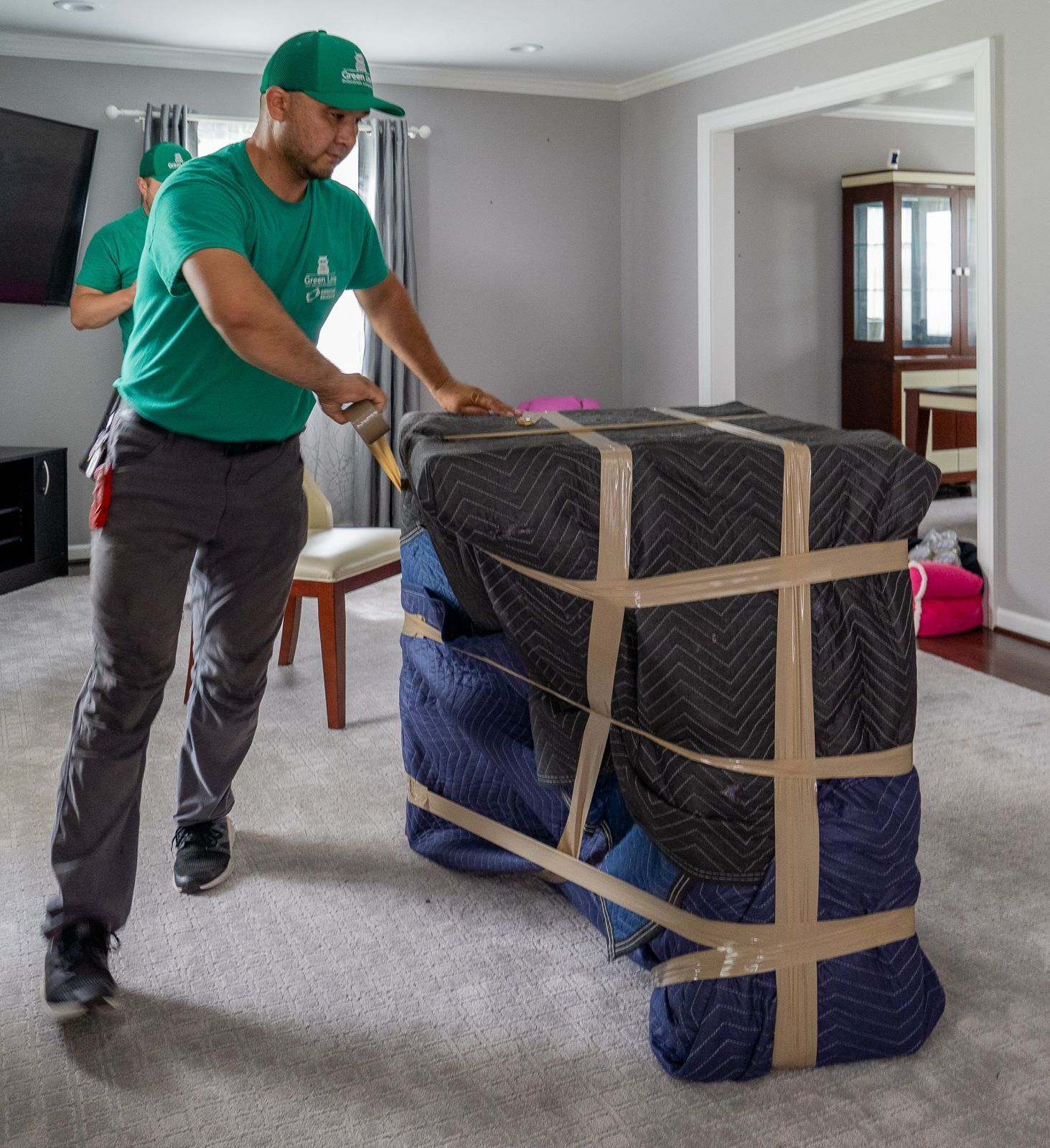
Stairs create a different type of planning issue. Walk-up apartments, older buildings, and rowhome-style rentals may include narrow turns, steep steps, or limited space for larger furniture. A couch, dresser, mattress, or dining table may need to be wrapped, angled, or partially disassembled before it can move safely.
What should renters confirm with the building before moving day? At minimum, they should ask about move hours, elevator reservations, loading entrances, parking rules, insurance requirements, and whether floors or walls need protection. Getting those answers early helps avoid delays when the crew arrives.
Parking Can Affect Timing and Cost
Parking is one of the easiest moving details to underestimate. In parts of Baltimore and nearby communities, renters may have limited street parking, busy apartment entrances, permit rules, narrow roads, or long carries from the truck to the unit. If the truck cannot park close to the entrance, the move may take more time.
A good moving plan should include parking instructions before moving day. Renters should ask the building if a loading space can be reserved, whether a parking permit is needed, or if certain hours are better for access. If there is no clear parking plan, the crew may spend valuable time looking for a safe place to load.
For renters comparing service options, American Relocation’s earlier article Benefits of Hiring a Local Moving Company for Your Next Move gives helpful context on why local knowledge and coordination can matter during short-distance moves.
Inventory and Labeling Keep the Move Organized
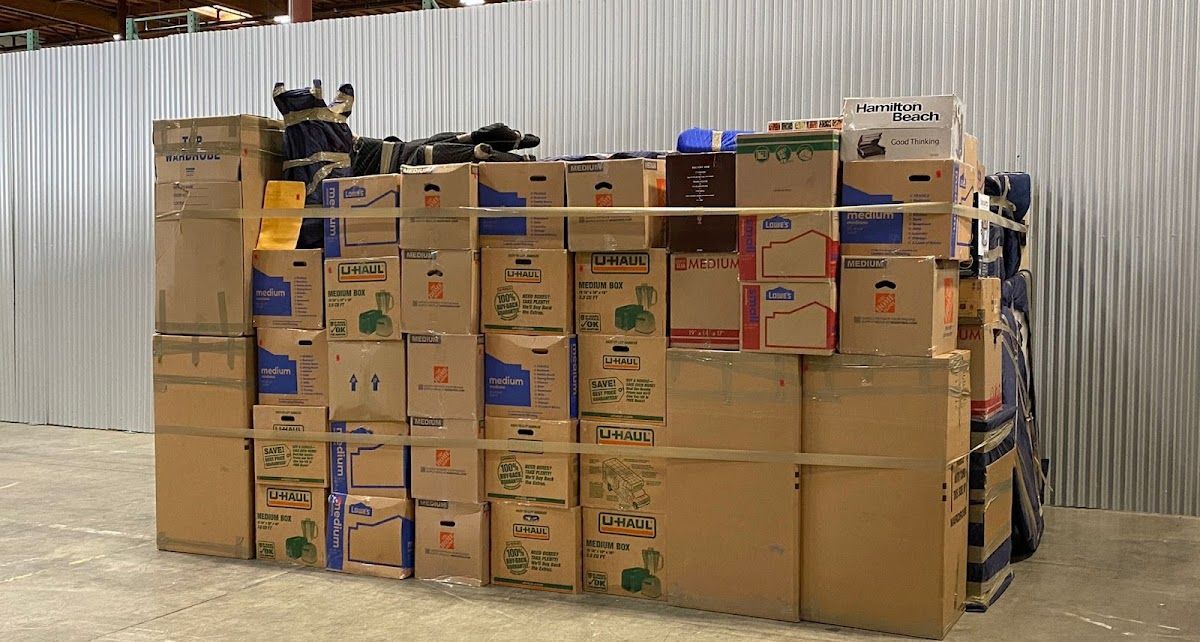
An organized lease move starts before the movers arrive. Renters should know what is moving, what is being donated, what stays with them personally, and what needs special handling. A simple inventory can prevent confusion when boxes, furniture, and personal items start moving out quickly.
Labels also make a major difference. A box marked “kitchen” is useful, but “kitchen: plates and mugs” is better. A box marked “bedroom: first night” can save time after a long moving day. Clear labels help residential movers place boxes in the right rooms and help renters settle in faster.
Should every box be labeled before movers arrive? Ideally, yes. If packing is still unfinished the night before the move, the day can start behind schedule. When renters need help with fragile items, kitchens, closets, or last-minute packing, packing services can be part of the plan instead of an emergency decision.
Packing Support Can Reduce Last-Minute Stress
End-of-summer lease moves often happen while people are still working, traveling, or handling school and family schedules. That means packing can fall behind even when the move date is already set. A few open boxes, loose items, and fragile pieces left for the morning of the move can slow everything down.
Packing services can help renters prepare fragile items, dishes, mirrors, electronics, decor, books, and closets in a more organized way. Some renters only need help with delicate belongings. Others want more complete packing support so the apartment is ready before the truck arrives.
American Relocation has already covered how packing support helps families stay organized before moving day in Packing Services That Help Families Stay Organized Before Moving Day. That planning mindset applies just as well to lease moves, where timing and access can be tight.
Timing Should Match the Lease, Building, and Move Size
A moving schedule should reflect more than the preferred date. Renters need to think about lease deadlines, elevator windows, keys, building access, parking availability, and when the new apartment will be ready. If the move-out and move-in times do not align, the day may need a more careful plan.
This is especially important at the end of summer, when many people are moving around the same time. Waiting too long to schedule can limit availability and leave less time to solve access or packing problems. A clear moving quote should account for the number of items, distance, building conditions, crew needs, and any extra services.
Renters should also keep essentials separate. Medication, chargers, documents, keys, toiletries, work items, pet supplies, and first-night basics should travel with the renter, not disappear into the moving truck.
Why Choose American Relocation for End-of-Summer Lease Moves
American Relocation helps Baltimore-region renters and families manage local lease moves with planning, professional movers, packing support, and organized relocation services. Whether the move involves an elevator building, tight stairs, limited parking, or a strict lease deadline, a clear plan can keep the day from becoming chaotic.
The goal is not only to move boxes from one apartment to another. The goal is to understand the building access, protect belongings, manage timing, and help the renter settle into the next space with less stress.