Moving in Baltimore, MD: A Complete Local Moving Checklist
Moving to a new home is an exciting milestone, but organizing everything from packing and scheduling to transportation and moving-day logistics can quickly become overwhelming. Whether you're moving to a new apartment in Baltimore, relocating your family to a nearby Maryland community, or moving into your first home, having a clear plan can make the entire process easier.
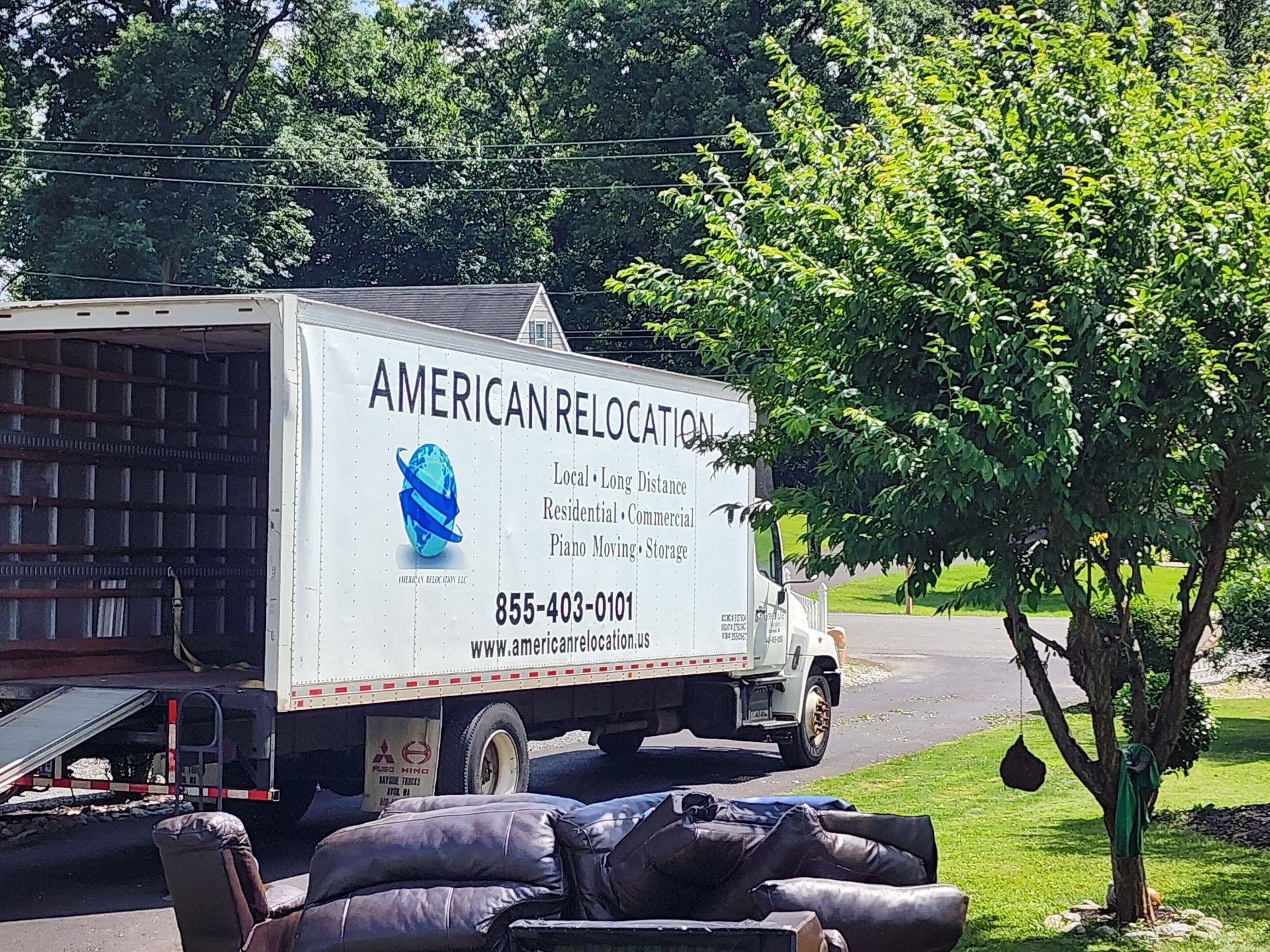
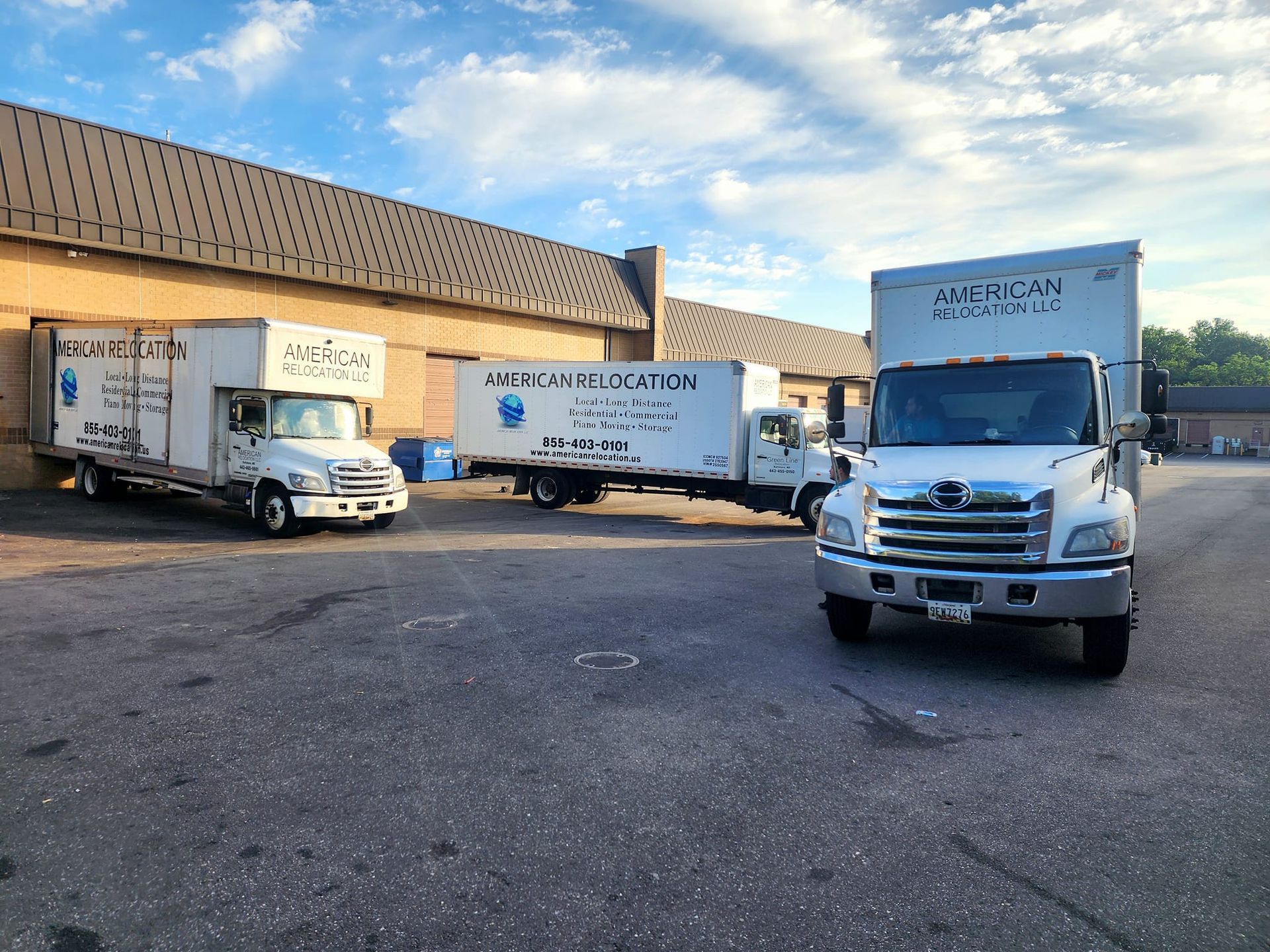
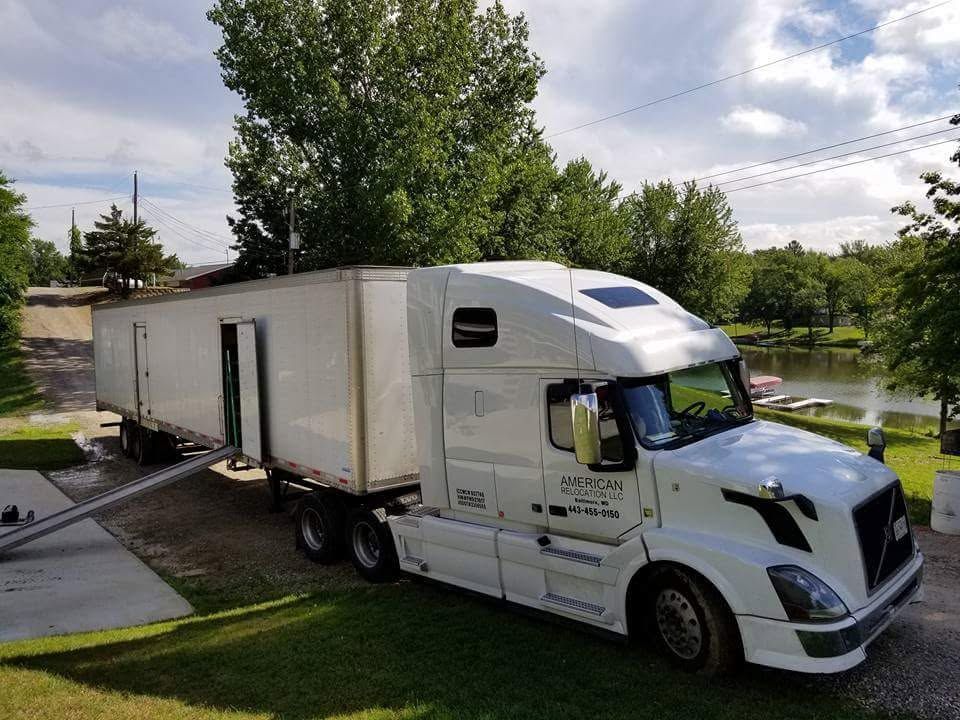
At American Relocation, we understand that every move comes with different needs, timelines, and challenges. Our goal is to help make your relocation as organized and stress-free as possible, from the first stages of planning to the final delivery of your belongings.
Use this complete Baltimore moving checklist to stay organized, avoid common mistakes, and prepare for a smoother moving experience.
1. Four to Six Weeks Before Moving Day: Start Planning
The earlier you begin preparing, the more time you'll have to organize your belongings, compare moving options, and handle unexpected details.
Create a moving checklist and timeline
Start by choosing your preferred moving date and listing the tasks you need to complete before then. Break larger tasks into smaller steps and assign deadlines to each one.
Your initial checklist should include:
- Confirming your moving date and destination.
- Reviewing your moving budget.
- Researching professional moving companies in Baltimore, MD.
- Requesting estimates from reputable movers.
- Deciding whether you need professional packing services.
- Identifying furniture or belongings you no longer need.
- Arranging time off work, if necessary.
Keeping everything in one place will help you track your progress and avoid leaving important tasks until the last minute.
Choose a moving company in Baltimore
Choosing the right moving company can make a significant difference in your moving experience. Look for a company that clearly explains its services, provides written estimates, answers your questions, and can accommodate your moving requirements.
Before making your decision, ask about:
- Services included in the estimate.
- Packing and furniture protection options.
- Scheduling and arrival windows.
- Handling of large or fragile items.
- Insurance and valuation options.
- Cancellation and rescheduling policies.
Make sure you understand the terms of your estimate before committing.
Planning a local move in Baltimore? American Relocation can help you explore moving options that fit your timeline and requirements.
2. Three to Four Weeks Before Moving Day: Organize Your Belongings
Once your moving date is approaching, begin preparing your home and deciding what you want to take with you.
Declutter before packing
Moving is an excellent opportunity to sort through your belongings. Transporting items you no longer use takes additional time, space, and effort.
Go through each room and separate your belongings into four categories:
- Keep: Items you use regularly or want in your new home.
- Donate: Usable items that someone else could benefit from.
- Sell: Furniture, electronics, or other belongings in good condition.
- Discard: Broken, damaged, or unusable items.
Pay particular attention to garages, storage areas, closets, and spare rooms, where unwanted items often accumulate.
Create a packing plan
Rather than packing randomly, work through your home one room at a time. Start with items you rarely use and leave everyday essentials until closer to moving day.
A simple packing plan might look like this:
- Week one: Seasonal clothing, decorations, books, and storage items.
- Week two: Guest rooms, spare furniture, and less frequently used kitchen items.
- Final week: Everyday belongings, remaining kitchen items, and personal essentials.
If you prefer not to handle everything yourself, ask about professional packing services and confirm what they include.
Gather packing supplies
Depending on your needs, you may require:
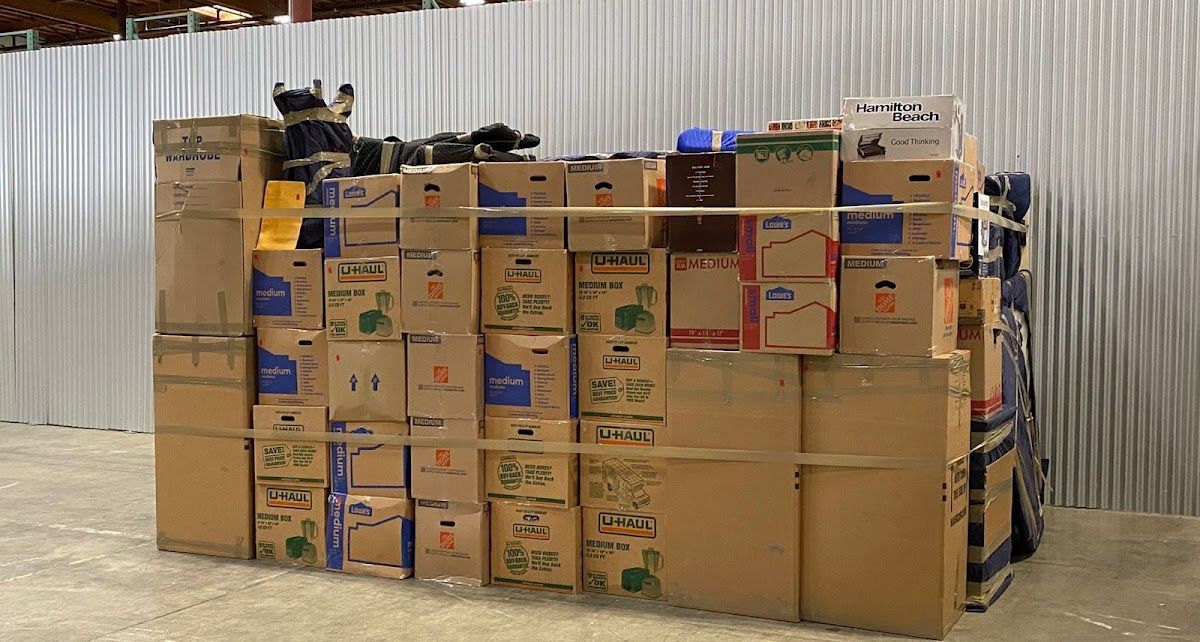
- Sturdy moving boxes in different sizes.
- Packing tape and dispensers.
- Protective wrapping materials.
- Labels and permanent markers.
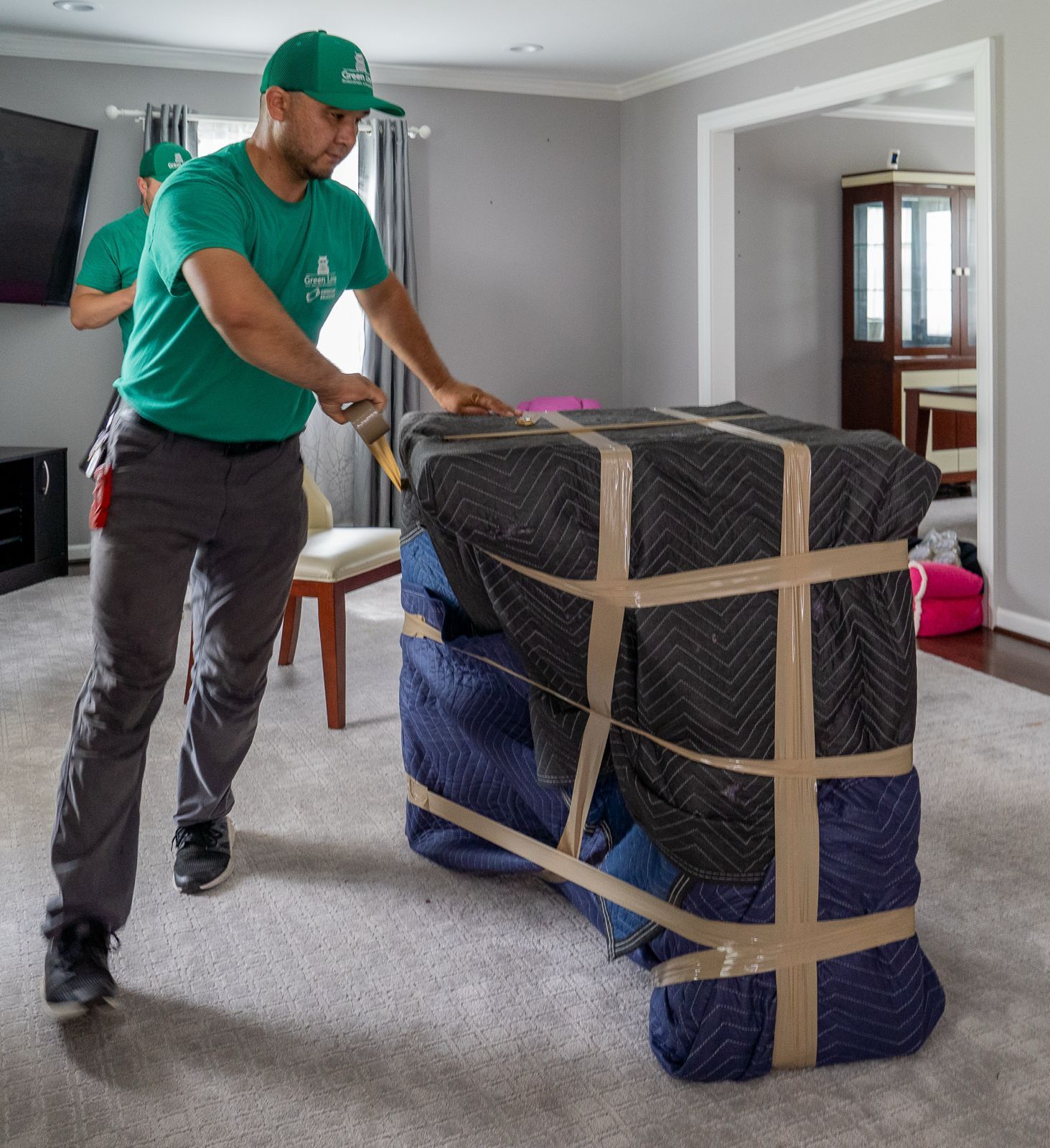
- Furniture blankets or other protective materials.
- Bags for small items and loose accessories.
Label each box with its destination room and a brief description of its contents. Mark fragile items clearly and avoid making boxes too heavy to lift safely.
3. Two Weeks Before Moving Day: Confirm the Details
At this stage, your moving arrangements should be taking shape. Use this time to confirm logistics and take care of administrative tasks.
Confirm your moving arrangements
Contact your moving company to reconfirm the moving date, arrival window, pickup address, destination, and services requested.
Tell the company about any circumstances that could affect the move, including:
- Stairs or limited elevator access.
- Narrow hallways or difficult entryways.
- Large furniture or specialty items.
- Long distances between the property and parking.
- Building restrictions or reserved loading areas.
- Items requiring special handling.
Providing accurate information helps the moving team plan appropriately.
Arrange parking and building access
Depending on your property and neighborhood, parking and access may require advance planning.
If you're moving from or into an apartment or condominium, contact the property manager to ask about elevator reservations, loading zones, building access hours, and any required moving documentation.
For homes on busy streets or in areas with limited parking, check the applicable local parking rules and determine whether any arrangements are necessary. Do not assume that a moving truck can legally park wherever there is space.
Update your address and utilities
Make a list of organizations that need your new address, including:
- Banks and financial institutions.
- Insurance providers.
- Employers and subscription services.
- Schools and childcare providers.
- Healthcare providers.
- Government agencies and relevant service providers.
Arrange utility transfers or new service connections for electricity, gas, water, internet, and other essential services as appropriate for your properties.
4. One Week Before Moving Day: Prepare for the Move
With only a week remaining, focus on finishing your packing and making your home ready for the moving crew.
Finish packing most of your belongings
By this point, most nonessential items should be packed and labeled.
Leave out only what you still need for daily life, such as basic toiletries, a small selection of clothing, essential kitchen items, and important documents.
Keep valuable personal belongings and irreplaceable documents secure. Ask your moving company which items it will not transport, since exclusions and handling requirements can vary.
Prepare an essentials bag
Pack a separate bag or box with everything you'll need during the first 24 to 48 hours in your new home.
Consider including:
- Identification and important documents.
- Medications and basic first-aid supplies.
- Phone chargers and necessary electronics.
- Toiletries and a change of clothes.
- Snacks and reusable water bottles.
- Basic cleaning supplies.
- Bedding and essential kitchen items.
- Keys, moving paperwork, and contact information.
Keep this bag with you rather than loading it with everything else.
Prepare appliances and furniture
Follow the manufacturers' instructions for preparing appliances and electronics for transport. Defrost refrigerators and freezers when required, disconnect appliances safely, and secure removable components.
Empty furniture drawers where appropriate, remove loose accessories, and set aside screws or hardware in clearly labeled bags.
If you need help preparing large furniture or specialty items, confirm arrangements with your moving company before moving day.
5. Two to Three Days Before Moving Day: Complete Your Final Checks
A few simple checks can prevent unnecessary delays.
Use this list to make sure you're ready:
- Reconfirm the moving date and arrival window.
- Verify the pickup and delivery addresses.
- Check access instructions and parking arrangements.
- Finish packing remaining nonessential items.
- Charge phones and other necessary devices.
- Set aside keys, documents, and valuables.
- Dispose of perishable food you won't transport.
- Make arrangements for children and pets.
- Check the weather forecast and prepare for rain or temperature changes.
If your moving date is affected by a closing, delayed access, or another scheduling issue, contact your moving company as soon as possible. Early communication gives everyone a better opportunity to discuss available options.
6. Moving Day: Follow This Checklist
Moving day can feel busy, but having a simple plan helps you stay in control.
Before the movers arrive
- Get ready before the scheduled arrival window.
- Keep walkways clear and accessible.
- Separate belongings that should not be loaded.
- Secure pets and arrange supervision for young children.
- Keep your essentials bag and important documents nearby.
- Make sure the moving team can access the property.
When the crew arrives, walk through the home together and explain any special instructions or items that need additional attention.
During loading
Stay available to answer questions and clarify which belongings are being moved.
Before leaving, check closets, cabinets, storage areas, the garage, and other spaces where items may have been overlooked.
Make sure you understand the inventory and paperwork provided for your move, where applicable.
At your new home
Before the moving team leaves, direct boxes and furniture to the appropriate rooms. Check that major furniture pieces are placed where you want them and inspect your belongings for any visible issues.
If you notice damage or missing items, document the issue and follow the moving company's reporting process and the terms of your agreement.
7. After Moving In: Settle Into Your New Home
Once the boxes arrive, prioritize the rooms and tasks that will make your home functional.
Unpack the essentials first
Start with bedrooms, bathrooms, and the kitchen. Set up beds, organize basic toiletries, and unpack the items you'll need for everyday routines.
You don't need to unpack everything immediately. Working room by room makes the process more manageable.
Check your utilities and home essentials
Confirm that essential utilities and internet services are working. Test smoke and carbon monoxide alarms where applicable, locate important shutoffs, and familiarize yourself with the new property.
If you moved into a rental or purchased a home, keep relevant inspection records, lease documents, closing paperwork, and moving receipts organized.
Explore your new neighborhood
If you're moving within Baltimore or to a nearby Maryland community, take some time to learn about your surroundings.
Identify convenient grocery stores, pharmacies, healthcare providers, parks, public transportation options, and your preferred routes to work or school.
Settling in isn't just about unpacking boxes. It's also about becoming comfortable in your new environment.
Common Moving Mistakes to Avoid
Even with a checklist, certain mistakes can make moving more complicated than necessary.
Waiting too long to book movers. Delaying arrangements may limit your choice of dates, especially during busy moving periods.
Underestimating how much you own. An accurate inventory helps you plan for the appropriate moving resources and estimate.
Forgetting building and parking restrictions. Confirm access requirements early rather than discovering them on moving day.
Packing without labeling boxes. Clear labels make unloading and unpacking much easier.
Leaving important documents in moving boxes. Keep identification, paperwork, medications, and valuables secure and accessible.
Not communicating special requirements. Let your moving company know about access challenges, fragile items, and scheduling concerns in advance.
Failing to review the estimate. Understand what services are included and ask questions about additional charges before signing an agreement.
Frequently Asked Questions About Moving in Baltimore, MD
How far in advance should I book movers in Baltimore?
Booking several weeks ahead is a useful starting point for many local moves. For summer moves, weekends, month-end dates, or particularly busy periods, consider arranging your move earlier. Availability varies, so contact movers as soon as you know your preferred date.
How much does it cost to hire movers in Baltimore?
The cost depends on factors such as the amount of furniture and belongings, moving distance, property access, packing requirements, storage needs, and scheduling. Request a written estimate based on your actual moving details instead of relying solely on a general online average.
Do I need to reserve parking for a moving truck in Baltimore?
It depends on your property, street, and local parking rules. Some buildings have designated loading areas or specific moving requirements. Check with your property manager and the relevant local authority before moving day.
Should I pack everything before the movers arrive?
Unless you've arranged professional packing services, it's generally best to have your belongings packed and labeled before the scheduled move. Confirm the scope of service with your moving company so you know what to expect.
Can professional movers help with packing and furniture preparation?
Many moving companies offer packing and furniture-handling services, but the exact scope varies. Ask which services are available, whether materials are included, and whether special items require additional arrangements.
What should I keep with me on moving day?
Keep identification, important documents, medications, valuables, phone chargers, keys, and essential personal items with you. A separate essentials bag can make your first night in the new home much easier.
Plan Your Baltimore Move With American Relocation
A successful move begins with good preparation. By organizing your timeline, packing carefully, confirming access arrangements, and keeping important items close at hand, you can reduce avoidable stress and make moving day more manageable.
Whether you're moving across Baltimore or relocating to a nearby Maryland community, American Relocation is here to help you explore your moving options.
Ready to plan your move? Contact American Relocation to discuss your moving requirements and request an estimate.
Start preparing today, and take the next step toward a smoother move.