Apartment Moving in Baltimore, MD: Parking, Stairs, Elevators & Moving Day Tips
Moving into or out of an apartment in Baltimore can be very different from moving between two single-family homes. Limited parking, building rules, elevators, stairs, narrow hallways, loading zones, and scheduling restrictions can all affect how smoothly moving day goes.
The good news is that most apartment-moving challenges can be handled with the right preparation.
Whether you're moving into a downtown Baltimore apartment, relocating to another neighborhood, or moving to a nearby Maryland community, planning the logistics ahead of time can save you time, stress, and unexpected complications.
At American Relocation, we understand that apartment moves require more than simply loading boxes onto a truck. Access, parking, furniture size, building policies, and timing can all influence how the move should be organized.
Use this guide to prepare for your Baltimore apartment move and avoid some of the most common moving-day problems.
1. Check Your Building's Moving Policies First
Before scheduling your movers, contact your apartment building or property manager.
Many apartment communities have specific requirements for moving residents in or out. These rules can include designated moving hours, elevator reservations, loading areas, certificates of insurance, or advance notice.
Ask your building management:
- Are there specific moving hours?
- Do I need to reserve the elevator?
- Is there a designated loading or unloading area?
- How far in advance should the elevator be reserved?
- Are there rules regarding moving trucks?
- Is a certificate of insurance required?
- Are there restrictions on weekends or holidays?
- Is there a security deposit for using common areas or elevators?
- Does the building require movers to provide any documentation?
Don't wait until moving day to find out that the elevator is unavailable or that your building requires advance approval.
Why this matters
A moving crew may arrive on time, but if the building doesn't allow access at that time, the move can be delayed.
Confirming the building's requirements before moving day gives you and your moving company a better opportunity to plan around them.
2. Reserve the Elevator in Advance
If you're moving into or out of a multi-story apartment building, the elevator may be one of the most important parts of your moving plan.
Some buildings have a dedicated service elevator, while others require residents to reserve a regular elevator during specific hours.
If an elevator reservation is required, confirm:
- The date and time of your reservation.
- How long you have access to the elevator.
- Whether the elevator is large enough for your furniture.
- Whether protective padding is required.
- Where movers should enter the building.
- Whether there are restrictions on moving carts.
If you have large furniture, measure the elevator and important doorways ahead of time when possible.
A sofa that fits comfortably inside your apartment may not fit through the elevator doors or building corridors.
3. Plan for Parking and Truck Access
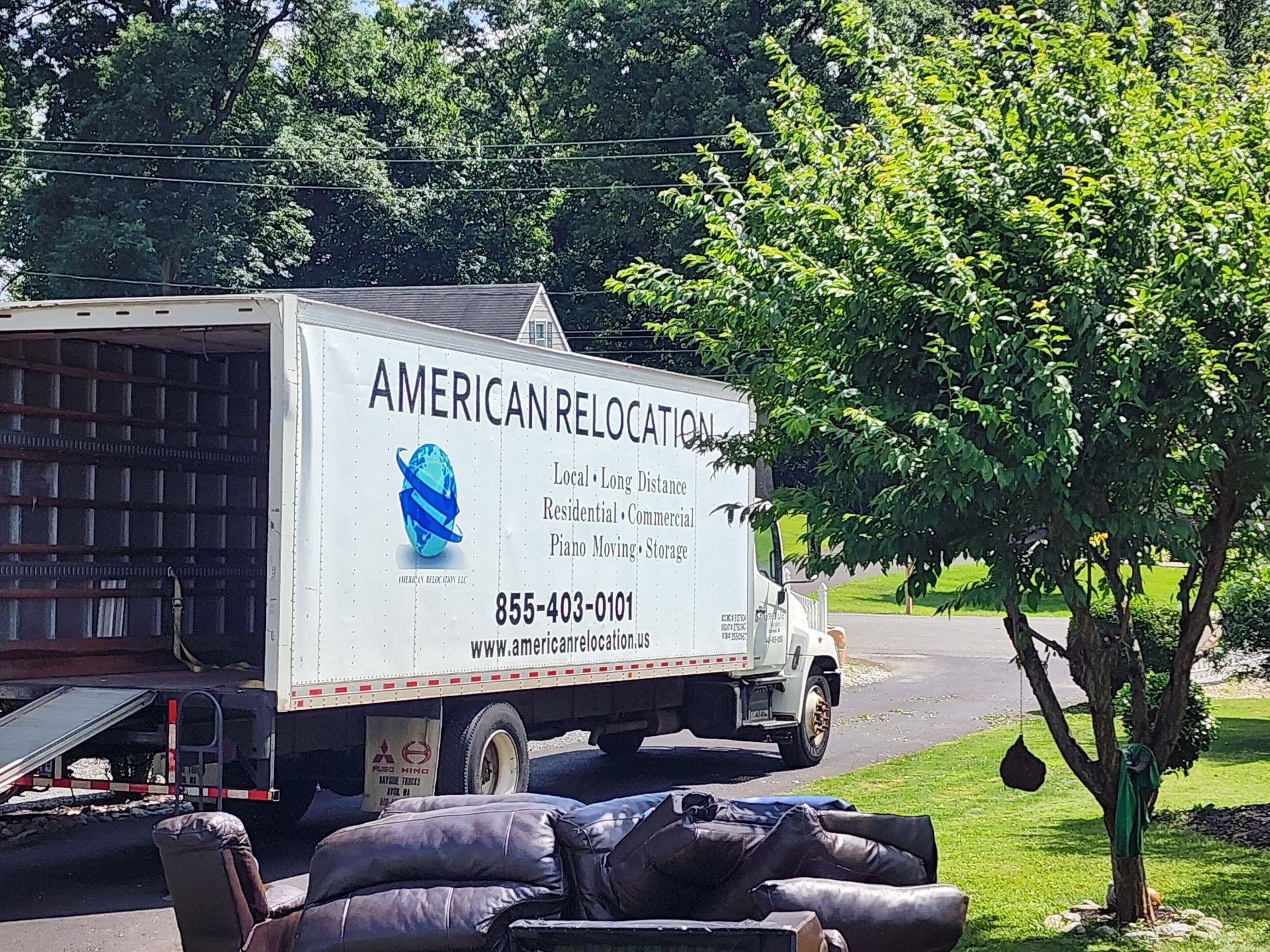
Parking can be one of the biggest challenges when moving in Baltimore, particularly in areas with limited street parking or busy roads.
Before moving day, determine where the moving truck can legally and safely park while the crew loads or unloads your belongings.
Depending on your building and location, you may need to coordinate:
- A designated loading zone.
- Building parking instructions.
- Street parking requirements.
- Access to a garage or private lot.
- A reasonable distance between the truck and building entrance.
Don't assume that a truck can simply park directly in front of your building.
If the truck has to park farther away, the movers may need to transport furniture and boxes a greater distance between the truck and the entrance.
That can affect the amount of time required for the move.
4. Measure Your Furniture Before Moving Day
Large furniture can create unexpected problems during apartment moves.
Before moving day, measure your largest pieces, including:
- Sofas and sectionals.
- Beds and mattresses.
- Dining tables.
- Dressers.
- Large cabinets.
- Desks.
- Entertainment centers.
- Appliances.
Then consider the route from the apartment to the moving truck.
Check:
- Apartment doorways.
- Hallways.
- Staircases.
- Elevator doors.
- Building entrances.
- Outdoor pathways.
- Any narrow turns.
If a large piece of furniture won't fit through a particular route, knowing ahead of time gives you more options.
Your moving company may also need to know about oversized or unusually heavy items before the move.
5. Moving Into an Apartment With Stairs
Not every apartment move involves an elevator.
If your apartment is on an upper floor and movers need to use stairs, let the moving company know when requesting an estimate or scheduling the move.
Stairs can affect:
- The time required for the move.
- The number of movers needed.
- How furniture is handled.
- The safest route for large items.
- How the truck should be positioned.
If there are narrow staircases, tight corners, or multiple flights of stairs, provide as much information as possible before moving day.
This is especially important for heavy furniture and oversized items.
6. Protect Your Apartment and Common Areas
Apartment buildings often have shared hallways, elevators, floors, doors, and walls that need to be protected during a move.
Ask your building management whether specific protective procedures are required.
You may need to arrange protective materials for:
- Elevator walls.
- Hallway floors.
- Door frames.
- Building entrances.
- Common-area carpeting.
Your moving company may also use protective materials when handling furniture and navigating through the property.
Taking these precautions can help reduce the risk of accidental damage during a busy move.
7. Start Packing Before Moving Day
One of the easiest ways to make an apartment move more efficient is to have most of your belongings packed before the movers arrive.
Begin with items you don't use every day:
- Seasonal clothing.
- Books.
- Decorations.
- Extra kitchenware.
- Collectibles.
- Storage items.
- Spare linens.
As moving day gets closer, pack the remaining nonessential belongings.
Label every box
A simple labeling system can make unloading much easier.
Write the destination room clearly on each box, such as:
BEDROOM
Clothing — Winter
or
KITCHEN
Glassware — FRAGILE
You can also add a short description of the contents so you can find important items without opening every box.
8. Keep an Essentials Bag With You
Don't put everything into the moving truck.
Prepare a separate bag or box with the items you'll need immediately after arriving at your new apartment.
Consider including:
- Identification.
- Important documents.
- Medications.
- Phone chargers.
- Toiletries.
- A change of clothes.
- Basic cleaning supplies.
- Snacks and water.
- Toilet paper.
- Towels.
- Bedding.
- Keys.
- Moving documents.
Keep these items with you so you don't have to search through dozens of boxes after arriving.
9. Prepare for Limited Space
Apartment living often means working with less storage and floor space than a larger house.
Before moving, consider whether every item you own needs to come with you.
Use moving day as an opportunity to:
- Donate unused belongings.
- Sell furniture that won't fit.
- Dispose of broken items.
- Organize storage areas.
- Reduce duplicate household items.
The less you move, the easier the move can be.
This can also help you avoid filling your new apartment with furniture and belongings that you don't actually need.
10. What to Do on Moving Day
Once moving day arrives, a little preparation can make a major difference.
Before the movers arrive
Make sure:
- Your boxes are packed and labeled.
- Your essentials are separated.
- Pets are safely secured.
- Children have appropriate supervision.
- Hallways and pathways are accessible.
- Building management knows you're moving.
- Elevator reservations are confirmed.
- Parking or loading arrangements are ready.
- Important documents and valuables are with you.
When the movers arrive, walk through the apartment with the crew and point out anything that requires special attention.
During loading
Stay available to answer questions.
If certain items should not be moved, clearly separate them from everything else.
Before leaving the apartment, check:
- Closets.
- Cabinets.
- Drawers.
- Storage areas.
- Balconies.
- Bedrooms.
- Bathrooms.
- Kitchen cabinets.
- Garage or storage units, if applicable.
It's surprisingly easy to leave something behind during a busy move.
11. Moving Into Your New Baltimore Apartment
When you arrive at your new apartment, have a basic plan for where furniture and boxes should go.
If possible, label rooms or communicate clearly where major items belong.
For example:
- Bedroom furniture → Bedroom.
- Kitchen boxes → Kitchen.
- Bathroom supplies → Bathroom.
- Office equipment → Office/workspace.
This saves time because you won't have to move heavy boxes around later.
If the building has specific unloading procedures, follow the instructions provided by management.
12. Common Apartment Moving Mistakes to Avoid
This is paragraph text. Click it or hit the Manage Text button to change the font, color, size, format, and more. To set up site-wide paragraph and title styles, go to Site Theme.